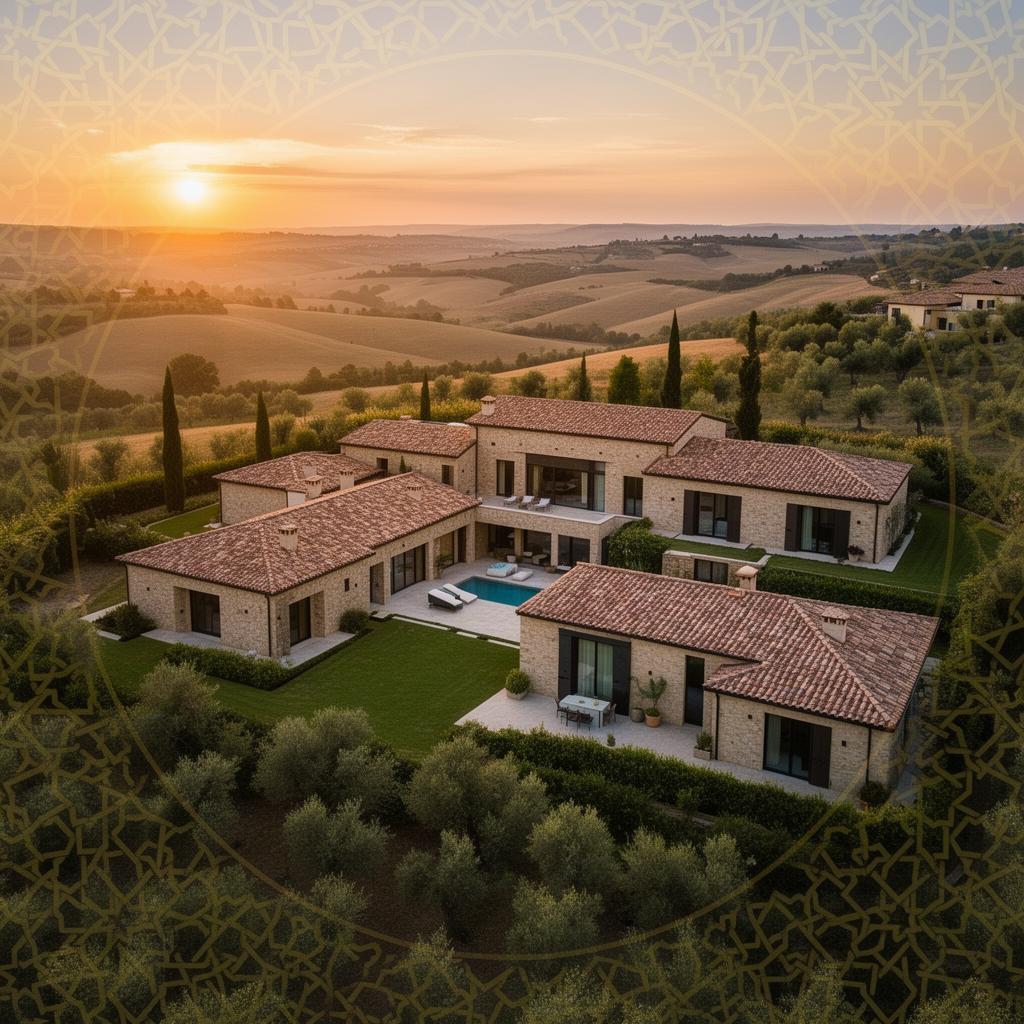
International Investors Discover Piemonte: UK, UAE, China & US Capital Flows
Piemonte ranks among Europe's top regions for FDI attraction. Major institutional investors from the UK, Gulf States, China, and USA are reshaping the Italian real estate landscape.

The Rise of Piemonte as Investment Destination
According to the Financial Times fDi Rankings, Piemonte consistently ranks among Europe's top regions for foreign direct investment. The 2024 data reveals accelerating interest from major global capital sources.
UK Investors: Post-Brexit Diversification
British institutional investors are increasingly allocating to Italian real estate:
- •Pension funds seeking euro-denominated assets for liability matching
- •Family offices attracted by lifestyle and residency benefits
- •REITs expanding European portfolios beyond traditional markets
Key UK players active in Northern Italy:
- •British Land evaluating logistics and mixed-use opportunities
- •Legal & General Real Estate expanding continental footprint
- •Multiple family offices from London's financial sector
Gulf State Capital: Vision 2030 Diversification
UAE and Saudi investors are deploying significant capital:
- •Abu Dhabi Investment Authority (ADIA) has increased European real estate allocation
- •Mubadala actively seeking hospitality and lifestyle assets
- •Saudi PIF exploring Italian luxury residential and tourism
Investment thesis for Gulf investors:
- •Climate advantages for second-home buyers
- •Established luxury tourism infrastructure
- •Golden Visa pathways for significant investors
Chinese Investment: Belt and Road Adjacent
While direct Chinese real estate investment has moderated, strategic interest remains:
- •State-owned enterprises evaluating infrastructure-adjacent developments
- •HNW individuals seeking European residence through property investment
- •Tourism operators positioning for post-pandemic Chinese travel recovery
US Institutional Interest
American capital continues to seek European yield:
- •Blackstone remains active in Italian logistics and residential
- •Brookfield expanding continental hospitality portfolio
- •Private equity firms seeking value-add opportunities in emerging markets
Implications for Agrate Conturbia
Our project offers characteristics sought by international investors:
- •Scale: 215.3 hectares provides institutional-grade allocation size
- •Diversification: Multiple asset classes within one territory
- •Governance: UK holding structure familiar to Anglo-Saxon investors
- •Lifestyle: Lake Maggiore location appeals to personal use buyers
Market Access Strategy
We actively engage with:
- •London-based family offices and wealth managers
- •Dubai and Abu Dhabi investment offices
- •Hong Kong and Singapore private banks
- •New York and San Francisco institutional allocators
International capital is reshaping Italian real estate. Agrate Conturbia is positioned to capture this trend.
Sources and verification
Primary sources consulted
- Agenzia delle Entrate — OMI — Osservatorio del Mercato Immobiliare, half-yearly quotations agenziaentrate.gov.it
- Banca d’Italia — Italian Housing Market Survey and regional economies reports bancaditalia.it
- Knight Frank — The Wealth Report, prime residential indices
- ISTAT — Demography, housing and regional accounts series istat.it
Figures presented as ranges, uplifts or returns are model estimates based on the sources below. They are not measurements of this site and not a promise of performance.
Read the Journal by interest rather than by publication date. Each path is a sequence, not an archive.
The regional brief
5 articlesNorthern Italy read as a residential and investment region rather than as a holiday destination.
You are here · Step 5 of 5
- 1Northern Italy as a European Residential and Investment Region
- 2The Milan–Lake Maggiore–Swiss CorridorIn research
- 3Why Piedmont Remains Less Expensive Than Better-Known Italian Regions
- 4Climate, Landscape and Year-Round Liveability in Northern ItalyIn research
- 5Can Piedmont Become a Global Lifestyle Destination?
The investor journey
8 articlesFrom how development value is created before construction to how integrated schemes are underwritten.
- 1How Land Consolidation Creates Development Value
- 2Why Planning Rights Can Be More Valuable Than Construction
- 3Senior Secured Development Finance Explained
- 4How Institutional Investors Assess Integrated Developments
- 5Why Phasing Matters More Than the Final Masterplan
- 6Does Combining Residential, Hospitality, Wellness and Sport Actually Work?
- 7What Can Go Wrong in a Multi-Use Lifestyle Development?In research
- 8The Integrated Community as a Long-Term Investment and Living ModelIn research
The living journey
8 articlesWhat changes in how people want to live, and what a low-density community must deliver in return.
- 1Why Affluent Households Are Reconsidering Large-City LivingIn research
- 2Luxury Is Becoming Time, Privacy and ConvenienceIn research
- 3The Rise of the 15-Minute Lifestyle Beyond the CityIn research
- 4Why Nature Is Becoming an Economic AssetIn research
- 5From Second Home to Second LifeIn research
- 6How Far Are People Actually Willing to Walk?In research
- 7Why Residential Value Depends on Everything Outside the Home
- 8How a Large Estate Can Feel IntimateIn research
The operator journey
7 articlesDemand, seasonality and critical mass for hospitality, wellness, sport and food & beverage.
- 1Why Hospitality Can Accelerate Residential Demand
- 2Can Hotels and Permanent Residents Successfully Share One Destination?In research
- 3The Economics of a Food and Beverage EcosystemIn research
- 4From Spa to Everyday WellnessIn research
- 5Who Pays for Wellness and Why?In research
- 6Can Sport Reduce Seasonality?
- 7How Much Population Does an Integrated Community Need?In research
Why Northern Italy
Article 5 of 5Climate, Landscape and Year-Round Liveability in Northern Italy
What People Really Mean When They Say They Want Walkability