Hospitality Investment: Developing a 5-Star Hotel in Northern Italy
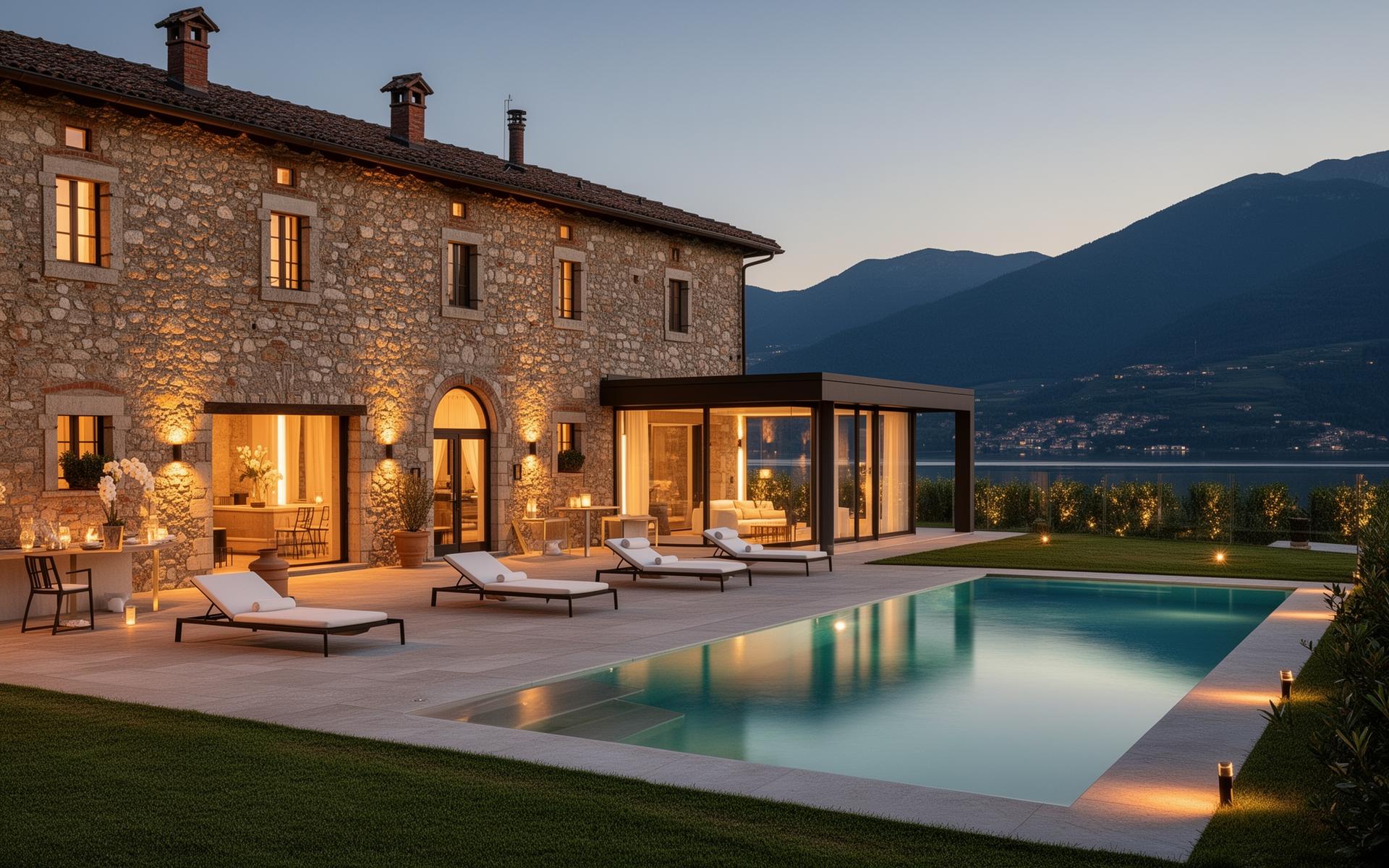
Hotel Cascina Ferdinanda represents a unique hospitality investment opportunity. 111 rooms, spa facilities, and integration with a master-planned community.
The Opportunity in Italian Hospitality
Italy's tourism sector continues to recover and exceed pre-pandemic levels. Northern Italy, with its combination of lakes, mountains, and cultural heritage, represents particularly strong potential for luxury hospitality investment.
Hotel Cascina Ferdinanda Overview
Property Specifications
- •111 guest rooms and suites
- •Historic cascina (farmhouse) renovation combined with new construction
- •Full-service spa and wellness center
- •Multiple restaurants and event spaces
- •Golf course integration
- •Conference and meeting facilities
Location Advantages
- •Lake Maggiore corridor
- •25 minutes from Malpensa Airport
- •60 minutes from Milan city center
- •Adjacent to golf course and residential development
- •Access to natural parkland and hiking trails
Market Context
Northern Italy Hotel Performance (2024)
- •Average RevPAR growth: +12% YoY
- •Luxury segment outperformance: +18% YoY
- •Average occupancy: 72%
- •ADR growth: +8%
Competitive Landscape Limited true 5-star supply in the Lake Maggiore area:
- •Grand Hotel Dino (Baveno)
- •Hotel & Spa & Resort Locanda del Sant'Uffizio (nearby)
- •Various 4-star properties
Our positioning fills a gap for integrated resort-style luxury accommodation.
Investment Structure
Development Costs (Estimated)
- •Land and permits: Included in masterplan
- •Construction and FF&E: €45-55 million
- •Pre-opening: €2-3 million
- •Working capital: €3-4 million
- •Total project cost: €50-65 million
Financing Approach
- •Senior debt: 50-60%
- •Mezzanine/preferred equity: 15-20%
- •Sponsor equity: 25-30%
Projected Returns
Stabilized Operations (Year 3+)
- •RevPAR: €180-220
- •GOP margin: 35-40%
- •NOI: €8-12 million annually
Exit Scenarios
- •Hotel REIT sale at 12-15x NOI
- •Private equity hospitality fund
- •Strategic acquirer (international hotel group)
- •Long-term hold with operator lease
Operator Strategy
We're in discussions with international hotel brands for:
- •Management agreement
- •Franchise arrangement
- •Soft brand affiliation
Potential partners include luxury collections from major groups (Marriott, Accor, IHG) as well as independent luxury networks.
Synergies with Masterplan
The hotel creates value across the territory:
- •Residential buyers gain access to hotel amenities
- •Golf course benefits from hotel guests
- •Retail serves both residents and visitors
- •Brand halo elevates entire development positioning
Investment Timeline
- •2025 — Operator selection and design finalization
- •2026 — Construction commencement
- •2027-2028 — Construction completion
- •2028 — Soft opening and ramp-up
- •2029 — Stabilized operations
Participate in a unique hospitality development opportunity.
Sources and verification
Primary sources consulted
- ENIT / ISTAT tourism accounts — Accommodation capacity and visitor flows
- ISTAT — Demography, housing and regional accounts series istat.it
- Savills Research — European residential and second-home market reports
Figures presented as ranges, uplifts or returns are model estimates based on the sources below. They are not measurements of this site and not a promise of performance.
Read the Journal by interest rather than by publication date. Each path is a sequence, not an archive.
The operator journey
7 articlesDemand, seasonality and critical mass for hospitality, wellness, sport and food & beverage.
You are here · Step 1 of 7
- 1Why Hospitality Can Accelerate Residential Demand
- 2Can Hotels and Permanent Residents Successfully Share One Destination?In research
- 3The Economics of a Food and Beverage EcosystemIn research
- 4From Spa to Everyday WellnessIn research
- 5Who Pays for Wellness and Why?In research
- 6Can Sport Reduce Seasonality?
- 7How Much Population Does an Integrated Community Need?In research
The investor journey
8 articlesFrom how development value is created before construction to how integrated schemes are underwritten.
- 1How Land Consolidation Creates Development Value
- 2Why Planning Rights Can Be More Valuable Than Construction
- 3Senior Secured Development Finance Explained
- 4How Institutional Investors Assess Integrated Developments
- 5Why Phasing Matters More Than the Final Masterplan
- 6Does Combining Residential, Hospitality, Wellness and Sport Actually Work?
- 7What Can Go Wrong in a Multi-Use Lifestyle Development?In research
- 8The Integrated Community as a Long-Term Investment and Living ModelIn research
The living journey
8 articlesWhat changes in how people want to live, and what a low-density community must deliver in return.
- 1Why Affluent Households Are Reconsidering Large-City LivingIn research
- 2Luxury Is Becoming Time, Privacy and ConvenienceIn research
- 3The Rise of the 15-Minute Lifestyle Beyond the CityIn research
- 4Why Nature Is Becoming an Economic AssetIn research
- 5From Second Home to Second LifeIn research
- 6How Far Are People Actually Willing to Walk?In research
- 7Why Residential Value Depends on Everything Outside the Home
- 8How a Large Estate Can Feel IntimateIn research
The regional brief
5 articlesNorthern Italy read as a residential and investment region rather than as a holiday destination.
- 1Northern Italy as a European Residential and Investment Region
- 2The Milan–Lake Maggiore–Swiss CorridorIn research
- 3Why Piedmont Remains Less Expensive Than Better-Known Italian Regions
- 4Climate, Landscape and Year-Round Liveability in Northern ItalyIn research
- 5Can Piedmont Become a Global Lifestyle Destination?
Hospitality, Food and Social Life
Article 1 of 5Why Residential Value Depends on Everything Outside the Home
Can Hotels and Permanent Residents Successfully Share One Destination?